Dental Filling vs Root Canal: Which Treatment Is Right for You?
Understanding the difference between a simple filling and a root canal can help you make the right decision — and catch problems early enough to keep treatment simple.
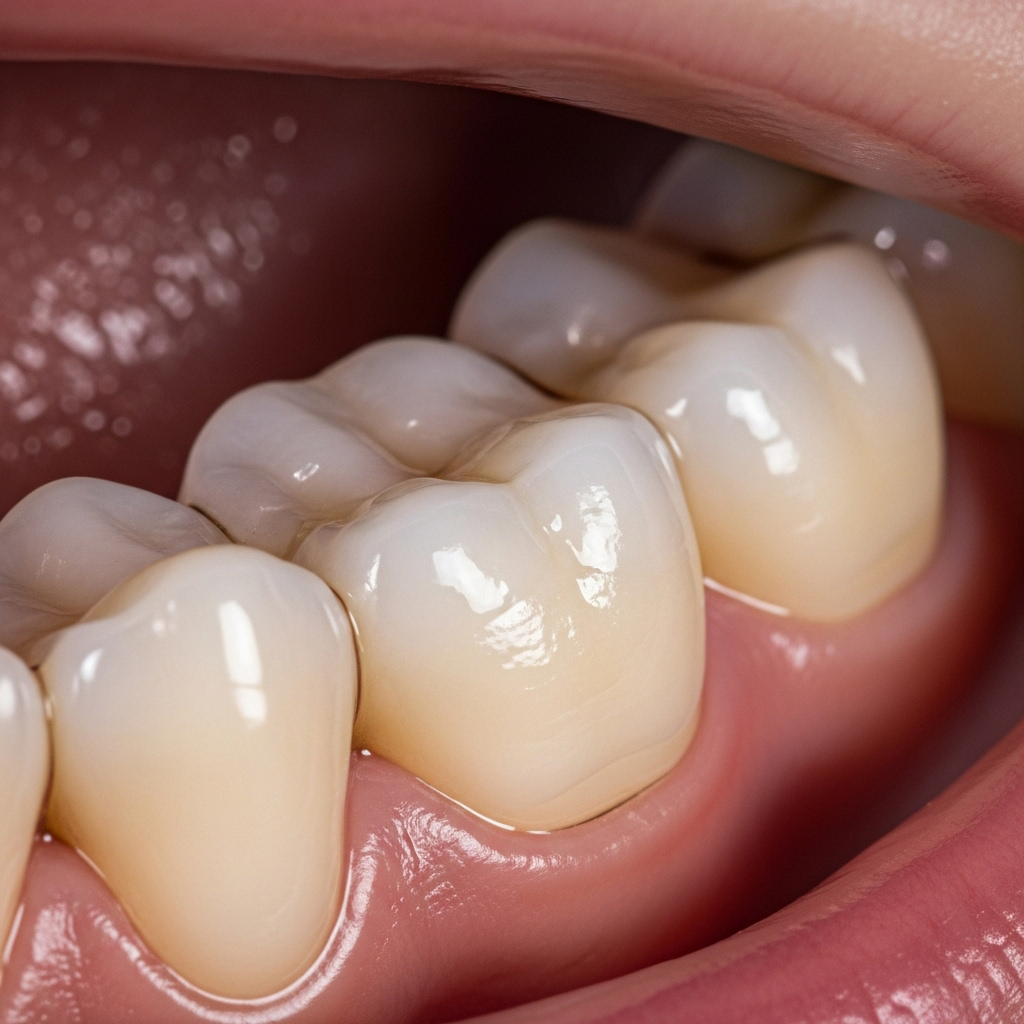
"Doctor, do I really need a root canal or just a filling?" — This is one of the most common questions patients ask at Dental Wellness Bathinda. It is a fair and important question, because the answer determines the complexity, duration, and cost of your treatment.
Both dental fillings and root canal treatment (RCT) are restorative procedures designed to save a tooth from further damage. But they address very different levels of tooth damage — and choosing the wrong one (or delaying the right one) can have serious consequences.
In this guide, we break down what each treatment involves, how a dentist decides which one you need, and what the clear signs are that indicate one over the other — so you walk into your appointment informed and prepared.
What Is a Dental Filling?
A dental filling is used to repair a tooth that has been damaged by decay, a small crack, or minor fracture — provided the damage has not yet reached the pulp. The procedure involves:
- Removing all decayed or damaged tooth material
- Cleaning and shaping the cavity
- Filling the space with a restorative material (tooth-coloured composite resin, glass ionomer, or amalgam)
- Shaping and polishing the filling to restore normal bite function
Fillings are completed in a single appointment, typically in 30–60 minutes, under local anaesthesia. The tooth's nerve is never involved — the procedure is straightforward and recovery is minimal.
What Is Root Canal Treatment?
Root canal treatment (endodontic therapy) goes deeper than a filling. It is required when the infection or damage has penetrated through the enamel and dentine into the pulp — the living tissue inside the tooth containing nerves and blood vessels.
RCT involves removing the infected pulp, cleaning and shaping the root canals, filling them with a biocompatible material (gutta-percha), and sealing the tooth. In most cases a dental crown is placed afterwards to protect the treated tooth.
The procedure is done under local anaesthesia and is not significantly more painful than getting a filling — the main difference is time (1–2 appointments vs one) and the additional step of placing a crown.
Head-to-Head Comparison
| Factor | Dental Filling | Root Canal Treatment |
|---|---|---|
| Damage Level | Enamel & dentine only | Pulp (nerve) involved |
| Pain Before Treatment | Mild sensitivity, discomfort | Severe, persistent, spontaneous pain |
| Number of Appointments | 1 | 1–2 (plus crown fitting) |
| Procedure Duration | 30–60 minutes | 60–120 minutes |
| Crown Needed After? | Usually not | Almost always (back teeth) |
| Recovery Time | Minimal — hours | 2–3 days mild soreness |
| Cost | Lower | Higher (includes crown) |
| Tooth Longevity | 7–15 years (filling lifespan) | Decades with crown care |
| Infection Involved? | No | Yes — pulp infected or inflamed |
| Tooth Preserved? | ✅ Yes | ✅ Yes |
How Does a Dentist Decide Which You Need?
The decision is based on clinical examination combined with X-rays. Here is what your dentist looks for:
Clinical Signs Assessed
- Nature and duration of pain: Brief sensitivity suggests filling; prolonged, spontaneous pain indicates pulp involvement.
- Percussion test: Tapping the tooth — if it produces sharp pain, the surrounding ligament is inflamed, suggesting infection has spread beyond the pulp.
- Thermal tests: Prolonged sensitivity to cold or pain on heat suggests pulpitis (pulp inflammation) requiring RCT.
- Gum swelling or sinus tract: A swelling or small pimple near the tooth's root indicates abscess — definitive sign of RCT need.
- Tooth mobility: Unusual tooth mobility may indicate bone loss from spreading infection.
X-Ray Findings
- Depth of decay: X-rays reveal how close or how far decay has progressed toward the pulp chamber.
- Periapical pathology: A dark shadow (radiolucency) at the root tip indicates bone destruction from spreading infection — clear RCT indication.
- Pulp chamber involvement: Decay visibly entering the pulp chamber on X-ray confirms the need for root canal treatment.
When You Need a Filling vs Root Canal: Decision Guide
🦷 A Dental Filling Is Likely Right When:
- You have mild sensitivity to cold or sweets that disappears quickly
- You have a visible cavity that your dentist detects on routine examination
- There is no spontaneous, unprovoked pain
- The X-ray shows decay in enamel or dentine only — not approaching the pulp
- There is no swelling, abscess, or sinus tract near the tooth
- The tooth responds normally to temperature tests and recovers quickly
🔴 Root Canal Treatment Is Likely Needed When:
- You experience severe, throbbing, or spontaneous pain (without any trigger)
- Pain lingers for 30+ seconds after hot or cold stimulus is removed
- You have noticeable swelling in the gum or face near the tooth
- There is a small pimple or bump on the gum near the tooth (dental abscess)
- The tooth has become darker or discoloured
- The X-ray shows a shadow at the root tip or decay entering the pulp
- The tooth has had a deep crack that extends toward the root
- A large, previously filled tooth is now causing persistent pain
Types of Dental Fillings Available at Dental Wellness Bathinda
1. Composite Resin (Tooth-Coloured Fillings)
The gold standard for visible teeth. Composite is matched to your exact tooth shade, bonds directly to the tooth structure, and looks completely natural. We use premium composite materials with excellent wear resistance and longevity. Ideal for front and back teeth.
2. Glass Ionomer Cement (GIC)
A fluoride-releasing material excellent for areas near the gumline, children's teeth, and situations where moisture control is challenging. GIC bonds chemically to tooth structure and its fluoride release provides ongoing cavity protection.
3. Indirect Ceramic Inlays/Onlays
For larger cavities that cannot be adequately restored with a direct filling, laboratory-fabricated ceramic inlays or onlays provide superior strength, precision fit, and longevity — bridging the gap between a filling and a full crown.
The Cost Difference: What to Expect
It is natural to consider cost when deciding on treatment. Here is an honest breakdown:
A dental filling is significantly less expensive than root canal treatment. It is completed in one appointment, and no crown is typically required.
Root canal treatment involves more steps, more time, specialist expertise, and almost always a crown afterwards — making the overall cost higher. However, this investment saves a tooth that, without treatment, would require extraction and replacement with an implant or bridge — which costs considerably more.
The most affordable option in the long run is always early treatment. Catching a cavity at the filling stage — before it reaches the pulp — is far less expensive and far less involved than a root canal with crown. Regular dental checkups every 6 months are the single best investment in keeping your treatment simple and affordable.
✨ Conclusion
The difference between a dental filling and a root canal comes down to one crucial factor: how deep the damage has gone. Fillings fix decay in the enamel and dentine. Root canals treat infection or damage that has reached the pulp.
The best strategy is to never let decay progress far enough to require a root canal — through regular checkups, prompt treatment of small cavities, and good daily oral hygiene. But if you do need root canal treatment, rest assured it is a reliable, comfortable procedure that saves your natural tooth for decades.
At Dental Wellness Bathinda, we provide honest, X-ray-based assessments and always recommend the most conservative treatment that achieves the best long-term result for your tooth. Book your consultation today.
❓ Frequently Asked Questions
Mild, brief sensitivity suggests a filling. Severe, spontaneous, or lingering pain, swelling, or discolouration suggests a root canal is needed. An X-ray confirms the diagnosis.
Yes — getting cavities filled promptly before decay reaches the pulp is the primary way to avoid needing root canal treatment.
Yes. RCT involves more appointments and usually a crown, making it more costly — but it saves the tooth permanently, which is far more economical than extraction and replacement.
Yes. New decay, a crack, or incomplete removal of original decay can allow bacteria to reach the pulp of a previously filled tooth.
The infection progresses, causing increasing pain, abscess, and eventually tooth loss. Accurate diagnosis with X-rays is essential to avoid this.
Composite fillings last 7–10 years; amalgam fillings 10–15+ years. Longevity depends on oral hygiene, diet, and bite habits.