Root Canal Treatment in Bathinda: Cost, Procedure & Recovery
Everything you need to know about saving your natural tooth — from the first sign of pain to full recovery — explained by Bathinda's leading dental specialists.
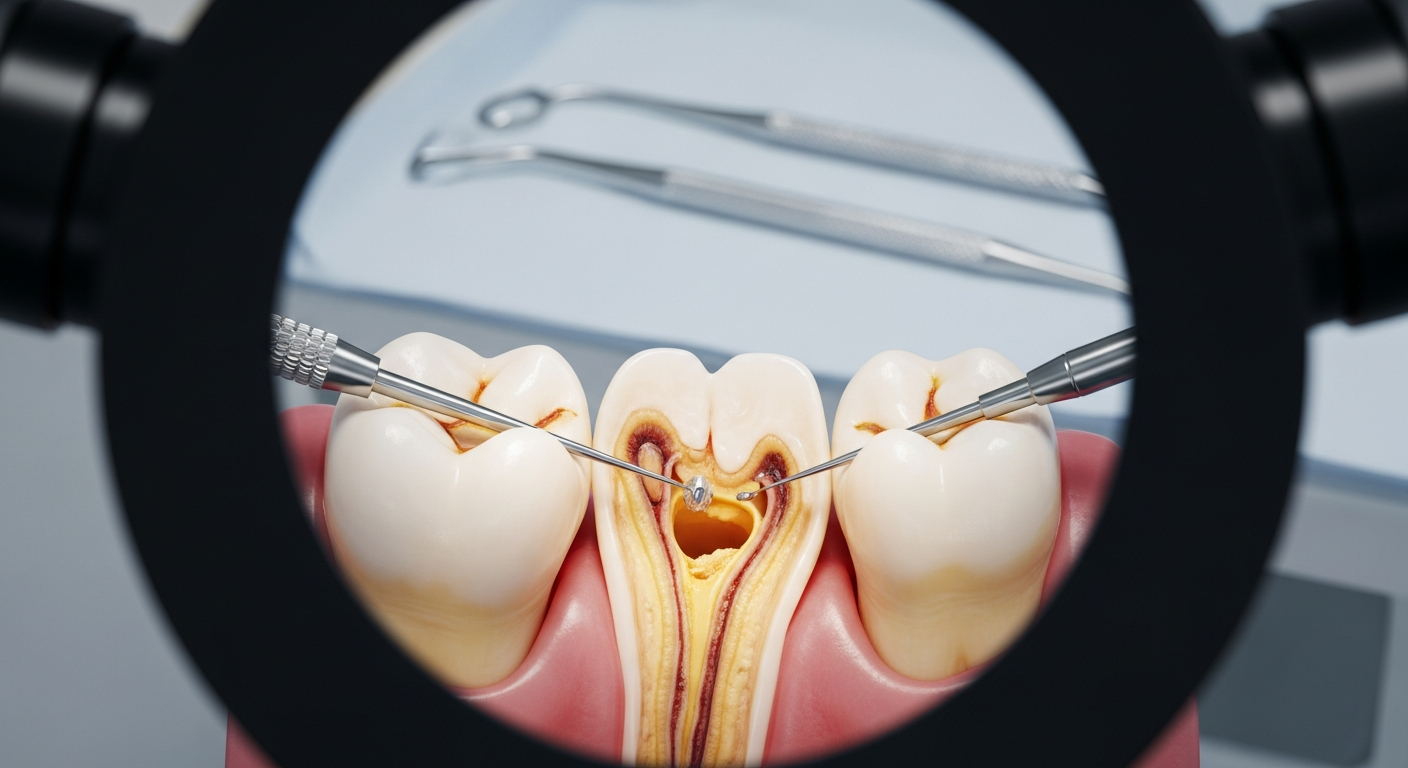
The words "root canal" often trigger anxiety — but the truth is that modern root canal treatment (RCT) is one of the most effective, comfortable, and tooth-saving procedures in dentistry today. Far from being something to fear, a root canal is actually the treatment that ends your pain, not causes it.
If you have been experiencing persistent toothache, sensitivity to hot and cold, or swelling near a tooth, you may need root canal treatment. At Dental Wellness Bathinda, our endodontic specialists perform hundreds of successful root canals every year using the latest rotary instruments and digital imaging — ensuring precision, comfort, and lasting results.
In this comprehensive guide, we cover everything: what root canal treatment is, when you need it, the step-by-step procedure, recovery tips, cost in Bathinda, and answers to the most common questions patients ask.
What Is Root Canal Treatment?
Root canal treatment (also called endodontic therapy) is a dental procedure that removes infected, inflamed, or dead pulp tissue from inside a tooth. The pulp is the soft inner layer of the tooth containing nerves, blood vessels, and connective tissue — it is what makes a tooth sensitive to temperature and pressure.
When bacteria breach the outer layers of the tooth through a cavity, crack, or trauma, they infect the pulp. Left untreated, this infection can spread to the jawbone, cause a painful abscess, and ultimately result in tooth loss. Root canal treatment halts this process by thoroughly cleaning and sealing the inner canals of the tooth.
Signs You May Need Root Canal Treatment
Not every toothache requires a root canal, but certain symptoms strongly indicate pulp infection or damage. Recognising them early is critical to saving your tooth.
1. Persistent, Severe Toothache
A deep, throbbing toothache — especially one that worsens when you bite down or lie down — is one of the most common signs of pulp infection. Unlike ordinary sensitivity, this pain often lingers long after the trigger is removed.
2. Prolonged Sensitivity to Temperature
If your tooth remains painful or sensitive for more than 30 seconds after exposure to hot or cold food and drinks, the nerve may be inflamed or dying. Normal teeth recover quickly; infected teeth do not.
3. Darkening or Discolouration of the Tooth
A tooth that gradually turns grey, brown, or black may indicate internal pulp death. The breakdown of nerve tissue releases byproducts that stain the dentine from within — a clear sign the pulp requires treatment.
4. Swollen or Tender Gums
Swelling, a raised bump (dental abscess or pimple) on the gum near the affected tooth, or persistent tenderness when pressing the gum are signs that infection has spread to the surrounding tissues and bone.
5. Cracked or Chipped Tooth
A crack or chip that penetrates deep into the tooth can expose the pulp to bacteria, leading to infection. Even a crack not visible to the naked eye can cause persistent pain that signals pulp involvement.
6. Pain on Biting or Chewing
Pain specifically when biting down — particularly a sharp jolt — often indicates the ligament around the tooth root is inflamed due to infection spreading beyond the pulp.
Step-by-Step Root Canal Procedure at Dental Wellness Bathinda
Our team uses advanced rotary endodontic instruments and digital X-rays to complete root canal treatment with maximum precision and minimal discomfort. Here is exactly what happens during your appointment.
Examination & Digital X-Ray
We begin with a thorough clinical examination and digital periapical X-rays to assess the extent of infection, the number of root canals, and the health of surrounding bone. This diagnostic stage ensures precise treatment planning.
Local Anaesthesia
A small injection of local anaesthetic is administered to completely numb the tooth and surrounding tissue. You will feel pressure during the procedure but absolutely no pain. For anxious patients, we offer additional comfort measures.
Isolation with Rubber Dam
A thin rubber sheet (dental dam) is placed around the tooth to isolate it from saliva, maintain a sterile field, and prevent any irrigating solutions from entering your mouth during treatment.
Pulp Removal & Canal Cleaning
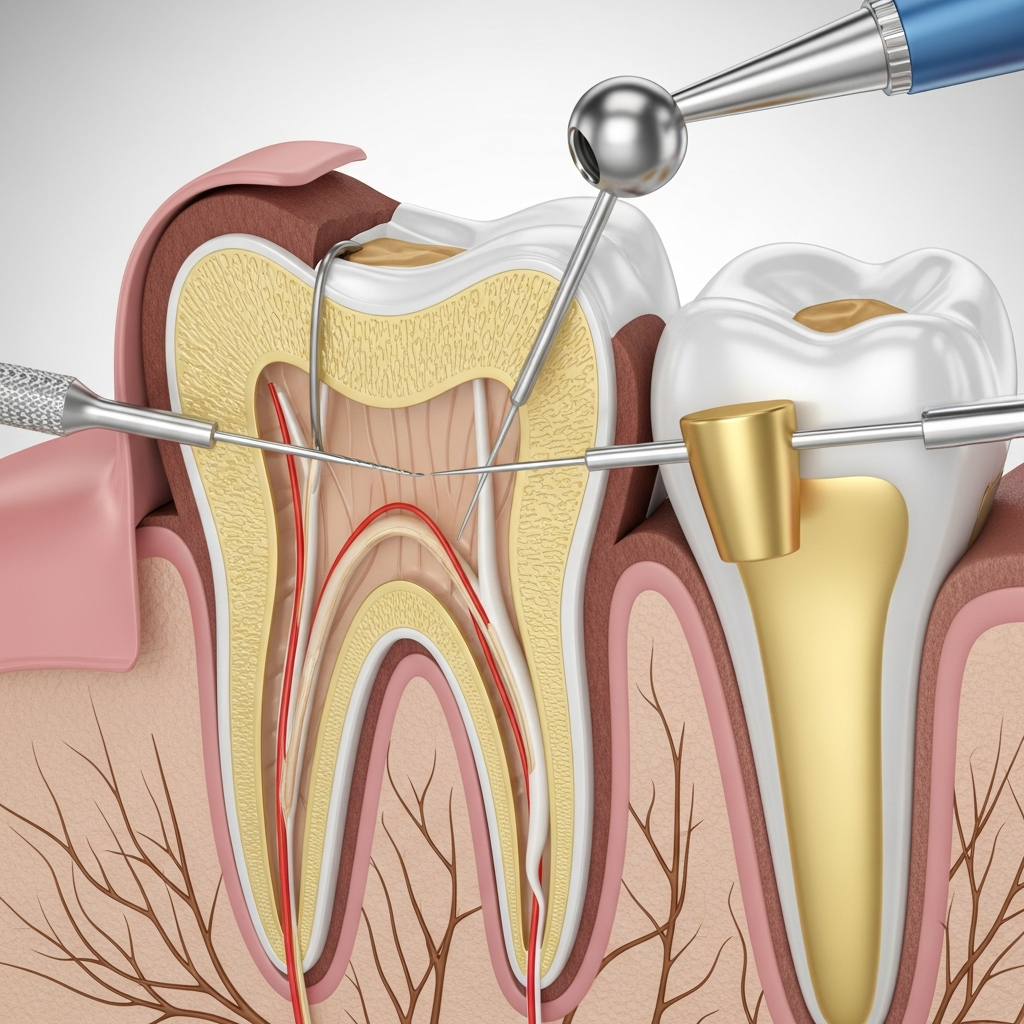
A small access opening is made through the top of the tooth. Using precision rotary nickel-titanium files, the infected pulp is completely removed. Each canal is shaped, cleaned, and flushed with antibacterial irrigation solution to eliminate bacteria and debris thoroughly.
Canal Filling (Obturation)
Once the canals are completely clean and dry, they are filled with a biocompatible rubber-like material called gutta-percha, sealed with dental cement. This permanent filling prevents reinfection of the root system.
Crown Placement
A root canal-treated tooth becomes brittle over time. Placing a high-quality dental crown over the tooth protects it from fracture, restores full chewing function, and ensures the tooth lasts for decades. Crown placement typically happens in a separate appointment 1–2 weeks later.
Root Canal vs Tooth Extraction: Which Should You Choose?
When a tooth is severely infected, patients sometimes consider extraction as a simpler, cheaper option. Here is why root canal treatment is almost always the better long-term choice.
| Factor | Root Canal Treatment | Tooth Extraction |
|---|---|---|
| Natural Tooth Preserved | ✅ Yes — tooth saved | ❌ No — tooth lost permanently |
| Jawbone Preservation | ✅ Full bone stimulation maintained | ❌ Bone loss begins within months |
| Neighbouring Teeth | ✅ No impact | ⚠️ Adjacent teeth drift into gap |
| Chewing Function | ✅ 100% restored with crown | ⚠️ Reduced until replaced |
| Long-Term Cost | Lower (tooth lasts decades) | Higher (implant/bridge needed) |
| Appearance | Natural tooth look | Gap visible unless replaced |
| Procedure Time | 1–2 appointments | Single appointment, but replacement adds more |
Dental professionals globally agree: saving a natural tooth with root canal treatment is almost always preferable to extraction. Your own tooth, even after treatment, functions and feels far more natural than any artificial replacement.
Root Canal Treatment Cost in Bathinda
The cost of root canal treatment in Bathinda varies based on several factors. Understanding these helps you plan your treatment without surprises.
🦷 Front Teeth (Incisors & Canines)
These teeth have a single root canal, making the procedure simpler and faster. Front tooth RCT is the most affordable category.
🦷 Premolars
Premolars typically have 1–2 canals. The procedure is moderately complex and falls in the mid-price range.
🦷 Molars (Back Teeth)
Molars have 3–4 canals and require the most time and skill. Molar RCT is the most comprehensive and costliest category.
👑 Crown After RCT
A ceramic or zirconia crown placed after the root canal protects the tooth long-term. Crown cost is quoted separately at our clinic.
Recovery After Root Canal Treatment
Recovery from root canal treatment is far simpler than most patients expect. Here is a realistic guide to what happens after your appointment.
First 24–48 Hours
Mild soreness and sensitivity are normal for the first day or two. This is simply the tissue around the tooth adjusting after treatment — not a sign that anything has gone wrong. Over-the-counter pain relievers (ibuprofen or paracetamol) manage this easily. Avoid chewing hard food on the treated side during this period.
Days 3–7
The majority of discomfort resolves within 3–4 days. You can return to your normal diet gradually. If swelling was present before the procedure, it should reduce significantly. A temporary filling is in place during this period — treat it gently.
Crown Placement (Week 2–4)
Your permanent crown is placed within 1–2 weeks after the root canal. Once the crown is fitted, the tooth is fully restored and you can eat normally without restriction.
Tips for Faster Recovery
- Take prescribed antibiotics (if given) for the full course
- Rinse with warm salt water 2–3 times daily to reduce inflammation
- Avoid extremely hot or cold food during the healing period
- Do not bite on hard foods with the treated tooth until the crown is placed
- Maintain good oral hygiene — gentle brushing and flossing around the tooth
- Attend your follow-up appointment as scheduled
Why Choose Dental Wellness Bathinda for Root Canal Treatment?
- Advanced Rotary Endodontics: We use state-of-the-art nickel-titanium rotary files for faster, cleaner, and more thorough canal preparation compared to traditional hand filing.
- Digital Radiography: High-resolution digital X-rays provide instant, precise images that guide every stage of the procedure with minimal radiation exposure.
- Single-Sitting RCT: For eligible cases, we complete the full procedure in a single comfortable appointment — saving you time and multiple visits.
- Expert Endodontists: Our team has years of experience in complex root canal cases including curved canals, retreatment, and multi-canal molars.
- Pain-Free Promise: We do not begin any procedure until the tooth is completely numb. Patient comfort is our absolute priority.
- Crown Integration: We coordinate root canal treatment seamlessly with in-house crown fabrication for a complete restoration in the shortest possible time.

✨ Conclusion
Root canal treatment is not something to fear — it is something to be grateful for. It is the procedure that rescues an irreplaceable natural tooth from infection and extraction, restoring it to full health and function for decades to come.
At Dental Wellness Bathinda, we combine clinical excellence with genuine care to make your root canal experience as comfortable and reassuring as possible. If you have been delaying treatment due to fear or uncertainty, we invite you to speak with our team — we will answer every question and walk you through every step before we begin.
Your natural tooth is worth saving. Let us help you keep it.
❓ Frequently Asked Questions
No. Modern RCT is performed under local anaesthesia and is virtually painless. The procedure relieves the severe pain of infection — it does not cause it.
Cost depends on the tooth type and case complexity. Contact Dental Wellness Bathinda for a transparent, personalised quote before starting treatment.
Most cases are completed in 1–2 sittings. Severely infected or complex cases may require 2–3 appointments.
Mild soreness resolves within 2–3 days. Full recovery with the permanent crown typically takes 2–4 weeks.
Infection spreads to surrounding bone, potentially forming an abscess and eventually requiring tooth extraction.
Yes, especially for back teeth. A crown protects the treated tooth from fracture and restores its full chewing function.