Tooth Sensitivity Treatment in Bathinda: Causes & Relief
That sudden sharp pain from cold water or a hot cup of chai is your teeth telling you something important. Here is what causes sensitivity — and how to fix it for good.
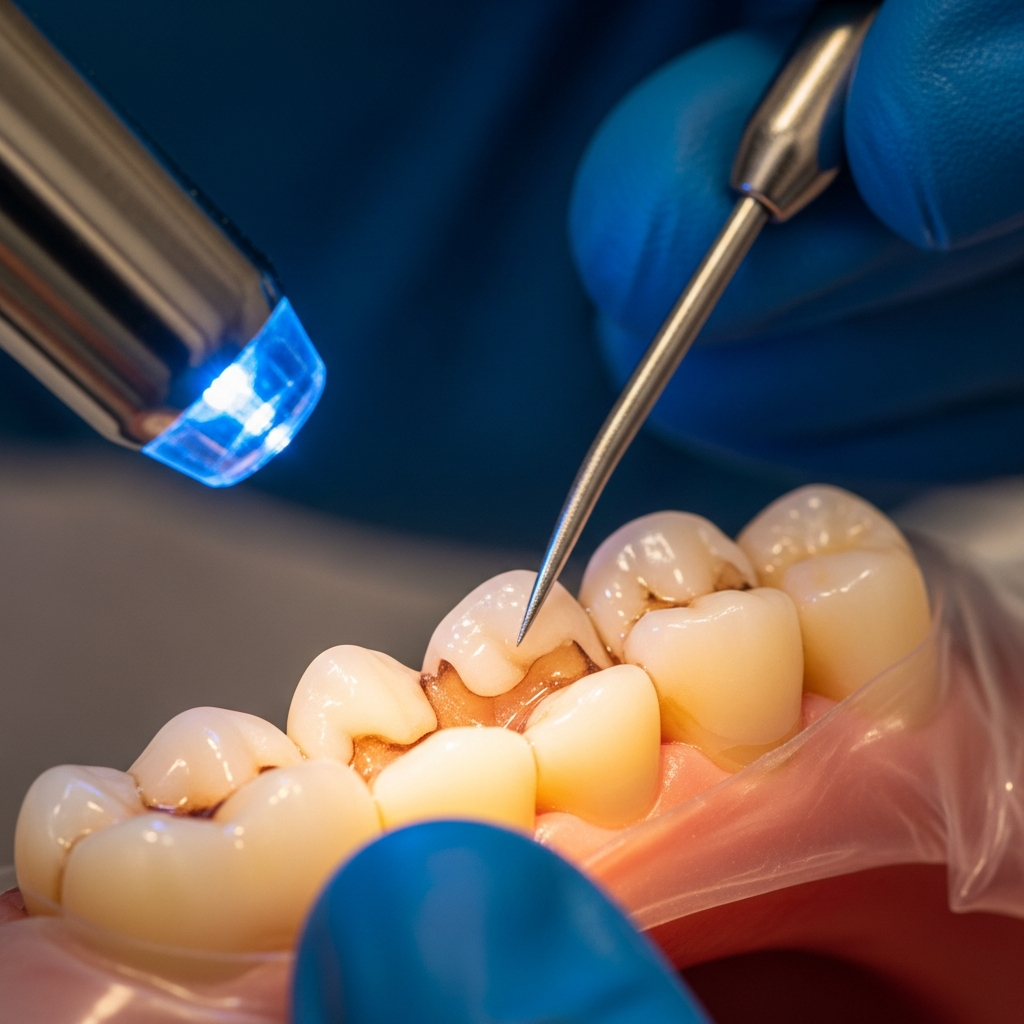
You take a sip of cold lassi or bite into a piece of gulab jamun and a sharp, shooting pain grips your teeth for a few seconds. You have learned to avoid ice cream, cold drinks, and even certain sides of your mouth. This is tooth sensitivity — and it affects millions of Indians every day.
Tooth sensitivity is not just an inconvenience. It is a symptom — one that your teeth and gums are using to communicate that something needs attention. The good news: sensitivity is highly treatable, and in most cases, completely reversible.
At Dental Wellness Bathinda, we diagnose and treat all forms of dental sensitivity using evidence-based, targeted approaches that address the root cause rather than just masking the discomfort. Here is everything you need to know.
Understanding Why Teeth Become Sensitive
To understand sensitivity, you need to understand tooth anatomy. A tooth has three layers:
- Enamel: The hard outer shell protecting the crown (visible part) of the tooth.
- Dentine: The softer layer beneath enamel and root cementum, containing thousands of microscopic tubules leading to the nerve.
- Pulp: The innermost living tissue containing the nerve and blood vessels.
When enamel is worn away or gums recede to expose the root surface, dentine becomes exposed. Stimuli such as temperature, pressure, or acidic foods travel through the dentinal tubules to the nerve — triggering that characteristic sharp, brief pain known as dentine hypersensitivity.
8 Common Causes of Tooth Sensitivity
1. Enamel Erosion from Acidic Diet
Regular consumption of acidic foods and drinks — soft drinks, citrus fruits, tamarind, vinegar-based foods — gradually dissolves enamel. Once enamel is lost, it does not regenerate. Exposed dentine is the direct result. This is one of the leading causes of sensitivity in Indian patients due to dietary patterns.
2. Gum Recession
When gums recede (pull away from the teeth), the root surface of the tooth is exposed. Unlike the crown, roots are covered only by cementum — a thin, permeable layer that offers far less protection than enamel. Even slight recession can cause significant sensitivity.
3. Aggressive Tooth Brushing
Brushing with a hard-bristled toothbrush or using excessive pressure wears away enamel at the gumline and traumatises gum tissue, causing recession. A soft brush and gentle circular technique dramatically reduces this risk.
4. Tooth Grinding (Bruxism)
Nocturnal teeth grinding flattens and erodes the biting surfaces of teeth, removing enamel systematically over months and years. Many patients with bruxism develop generalised sensitivity across multiple teeth simultaneously.
5. Cracked or Fractured Teeth
A crack in a tooth can extend from the surface down through the enamel and into the dentine or pulp, creating a direct pathway for stimuli to reach the nerve. Sensitivity triggered by a specific tooth, especially on biting, often indicates a crack.
6. Cavities and Decay
A developing cavity that has penetrated through enamel into dentine makes the tooth sensitive, particularly to sweets and temperature. This sensitivity is the most common early warning sign of a cavity that needs filling.
7. Post-Treatment Sensitivity
Teeth can be temporarily sensitive after dental procedures including fillings, crowns, scaling and polishing, or teeth whitening. This type of sensitivity is normal and typically resolves within a few days to weeks.
8. Worn or Leaking Dental Restorations
Old fillings that have cracked or developed micro-gaps around their margins allow bacteria and fluids to penetrate to the dentine beneath, causing sensitivity and often secondary decay.
Common Triggers of Sensitivity
Professional Treatment Options for Tooth Sensitivity in Bathinda
The right treatment depends entirely on the underlying cause. At Dental Wellness Bathinda, we diagnose the specific cause of your sensitivity before recommending any treatment.
🔬 Professional Desensitising Agents
In-clinic application of fluoride varnishes, oxalate solutions, or glass ionomer coatings directly onto exposed dentine. These block or plug dentinal tubules, reducing nerve stimulation. Fast, painless, and effective — noticeable relief often achieved in a single visit.
🦷 Dental Bonding / Tooth-Coloured Filling
For sensitivity caused by exposed root surfaces or enamel loss, composite resin is bonded directly over the affected area. This creates a physical barrier over the exposed dentine and restores the protective layer.
🌿 Gum Grafting for Recession
When significant gum recession is the cause, a gum graft procedure repositions gum tissue to cover exposed root surfaces permanently — eliminating sensitivity and protecting the tooth from further recession.
👑 Dental Crown
For teeth with severe enamel loss, large cracks, or multiple worn surfaces, a dental crown covers and protects the entire tooth — providing complete protection against all sensitivity triggers.
🦠 Cavity Treatment
When sensitivity is caused by a cavity, the decay is removed and the tooth is restored with a filling or crown, eliminating the direct pathway to the nerve and resolving sensitivity immediately.
😴 Night Guard for Bruxism
A custom-fabricated occlusal guard worn during sleep prevents enamel wear from tooth grinding — halting the progression of bruxism-related sensitivity and protecting existing restorations.
At-Home Care to Reduce Sensitivity
Professional treatment works best when combined with good daily habits. Here is what you can do at home to manage and prevent sensitivity.
Brush Smart
Switch to a soft-bristled toothbrush. Use gentle, circular strokes rather than hard back-and-forth scrubbing. Wait 30–60 minutes after eating acidic foods before brushing — brushing acid-softened enamel accelerates wear.
Use Desensitising Toothpaste Correctly
Choose a toothpaste containing potassium nitrate or stannous fluoride. Apply it directly to sensitive spots with a finger and leave it on without rinsing for maximum absorption. Consistent use over 2–4 weeks yields the best results.
Limit Dietary Acids
Reduce soft drinks, excessive citrus, and vinegar-heavy foods. When drinking acidic beverages, use a straw to reduce tooth contact. Rinse your mouth with plain water immediately after acidic foods or drinks.
Use a Fluoride Mouthwash
A daily fluoride mouthwash strengthens enamel and reduces sensitivity over time. Use it last thing at night after brushing — do not eat or drink for 30 minutes afterwards to allow maximum fluoride uptake.
✨ Conclusion
Tooth sensitivity is your body's early warning system — and it deserves your attention. While desensitising toothpastes offer some relief, identifying and treating the underlying cause is the only way to achieve lasting, permanent relief.
At Dental Wellness Bathinda, our team takes a thorough diagnostic approach to sensitivity — we never just mask the symptom. Whether the cause is enamel erosion, gum recession, a cavity, or bruxism, we have the expertise and technology to provide targeted, effective treatment.
Do not let sensitivity limit what you eat or drink. Book a consultation with us and enjoy every cup of chai and cold drink again — without the wince.
❓ Frequently Asked Questions
Sudden sensitivity can be caused by enamel erosion, gum recession, a crack, new decay, or recent dental treatment. A clinical examination will identify the cause.
Yes, for mild sensitivity it can help over 2–4 weeks. However, it addresses symptoms not causes. Professional treatment gives more lasting results.
In most cases, yes — once the underlying cause (cavity, recession, erosion, bruxism) is treated, sensitivity resolves permanently.
It can indicate underlying issues that worsen without treatment. Always get a professional evaluation rather than self-treating indefinitely.
Limit highly acidic foods and drinks, very hot/cold items, and excessive sugar. Use a straw for acidic beverages.